
The Nest guide to furniture upholstery
From bouclé fabric to semi-aniline leather, the upholstery you choose for your furniture significantly impacts its comfort, durability, and aesthetics. But what are your main options, and how do you select the perfect one for your needs?
The main upholstery options
While you might spend hours agonising on the right shape, style or colour of your furniture, what’s sometimes overlooked in the buying process is the upholstery. Each option has a long list of pros and cons, so it’s well worth doing the research before you buy. Doing so could help you buy a piece of furniture that’s better suited to your needs, lasts longer, and looks better – in your eyes, of course.
Let’s start by running through the most common upholstery options you’re likely to come across.
When it comes to choosing the upholstery for your furniture, you’ll generally have a choice of three options: fabric, sheepskin or leather.
Fabric
Fabric upholstery tends to be a mix of various different materials, which you could loosely group into naturals and synthetics.
Wool in upholstery
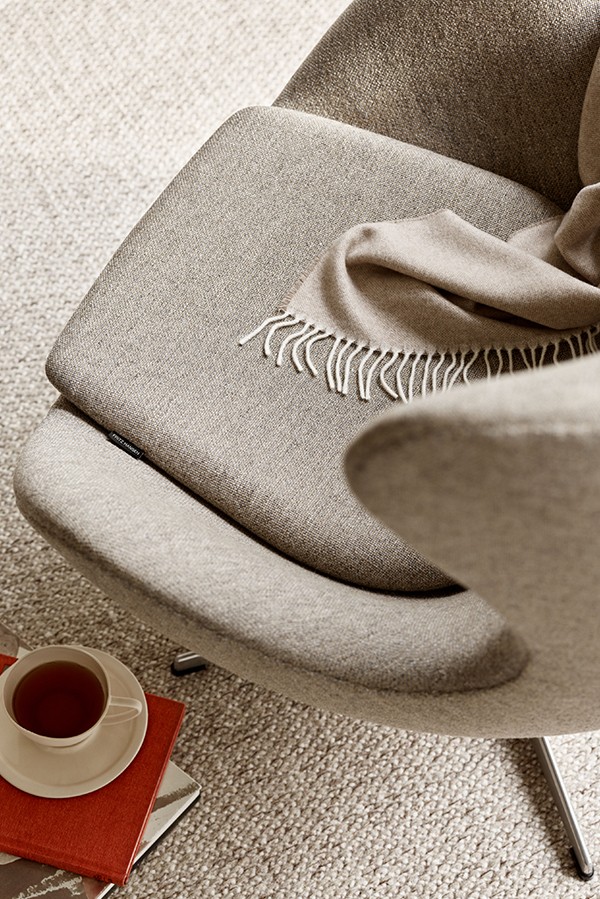
Wool is a widely used natural material in furniture upholstery due to its exceptional durability and ability to maintain its appearance over time. While not entirely stain-resistant, wool does offer a natural resistance to staining. This is largely attributed to the presence of lanolin—a waxy substance produced by sheep—which helps repel liquids and dirt. In addition to its stain-repelling properties, wool is also breathable, making it a comfortable choice for upholstery. However, wool fabrics can sometimes feel coarse or scratchy, especially when in direct contact with bare skin. To improve comfort and texture, manufacturers often blend wool with other fibres such as cotton, linen, polyester, or viscose.
Comparing upholstery fabrics
Cotton and linen are natural fibres known for their softness, breathability. However, they tend to be less stain-resistant than wool and may wrinkle or fade with prolonged use or exposure to sunlight.
Viscose, a semi-synthetic fibre derived from natural sources like wood pulp, offers a smooth, silky texture. While visually appealing and comfortable, it is generally less durable than synthetic alternatives like polyester.
Polyester, on the other hand, is a cost-effective and hardwearing option, though it may be more prone to staining and less breathable. Each upholstery fabric has its own set of advantages and limitations. For this reason, manufacturers often blend different fibres to balance comfort, durability, appearance, and cost.
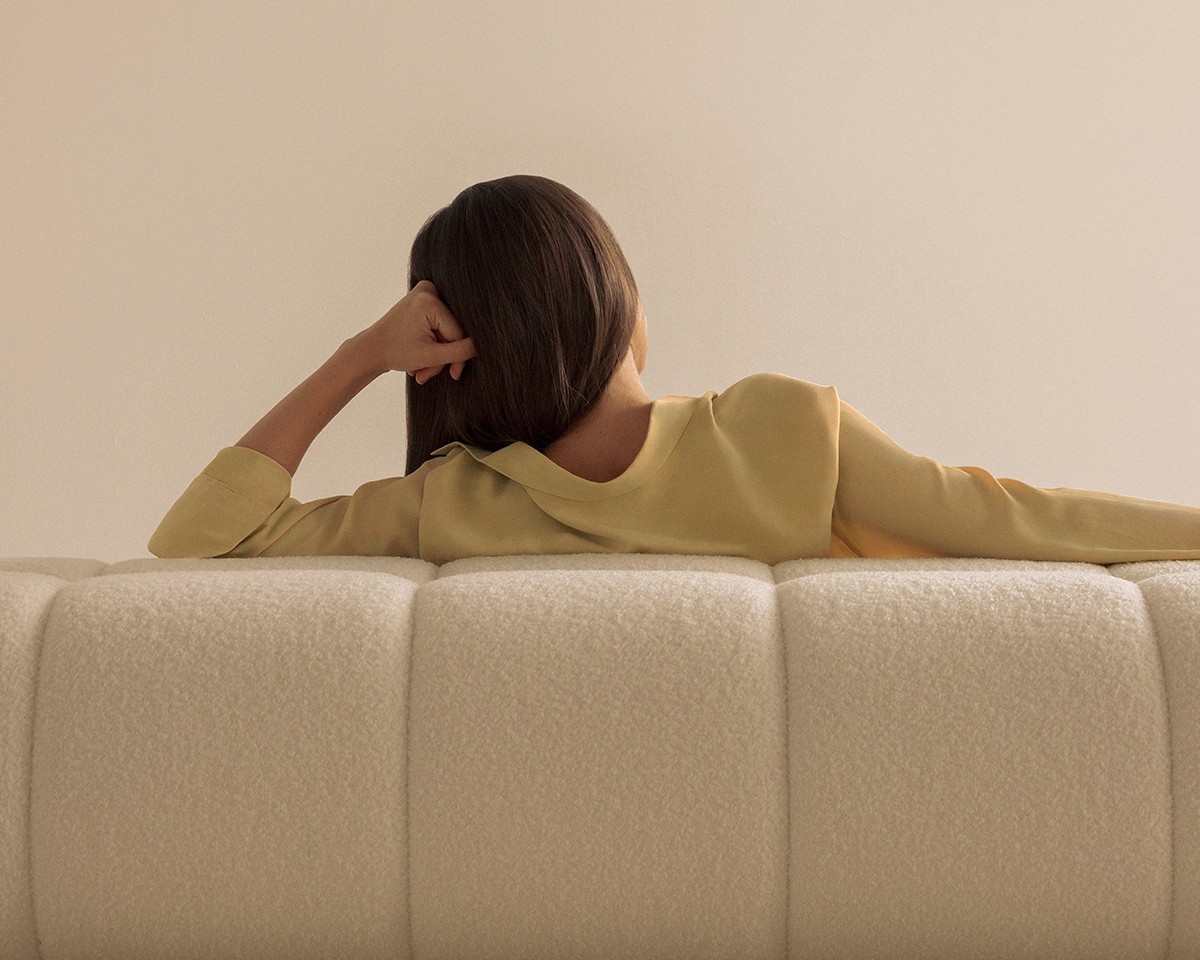
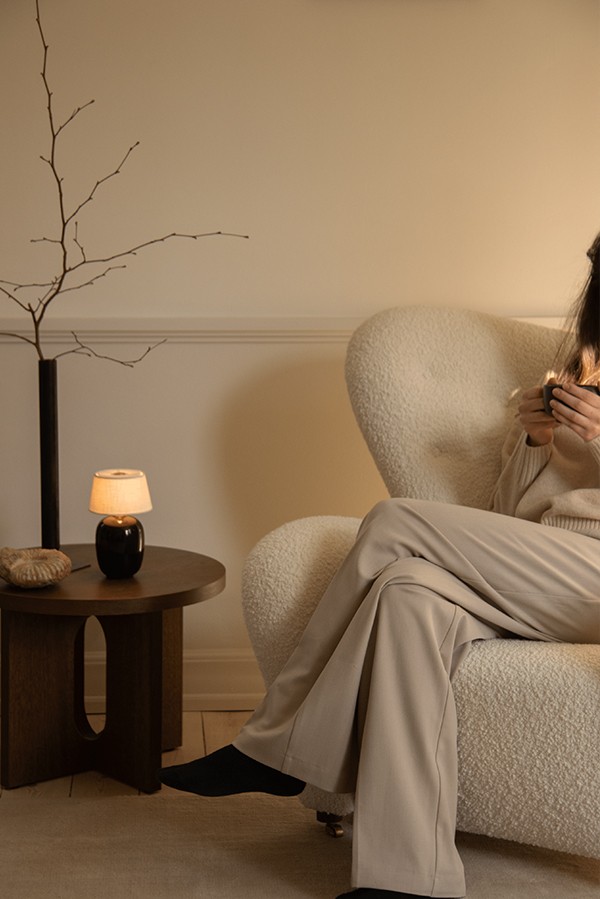
One popular fabric choice is bouclé, recognised for its looped, textured appearance. Bouclé combines aesthetic appeal with practical durability, often likened to the aesthetics of sheepskin. While it has a reputation as a premium material, it is now available across a broad range of price points, making it accessible for various budgets across many of our brands.
Sheepskin - Sheepskin offers a uniquely soft, thick, and plush texture, setting it apart from standard fabric upholstery. As a 100% natural material, each piece is completely individual, with variations in texture, density, and tone occurring from fleece to fleece. Colour changes can also develop over time, especially when exposed to direct sunlight or heat sources. This natural patina is part of its charm, but it’s something to be mindful of in bright or high-temperature environments. While luxurious, sheepskin is generally less durable than most fabrics and is not recommended for high-traffic or commercial settings. It also typically comes at a higher price point.
Sheepskin types are often defined by their origin. Icelandic sheepskin is known for its warmth and resilience, New Zealand sheepskin is exceptionally soft, and other varieties like Merino, Toscana, and Tibetan offer different wool lengths, textures, and finishes. Regular maintenance is essential to preserve its appearance — this includes gentle brushing to prevent matting and the occasional shake to remove dust. Spot cleaning should be done with care using a damp cloth, and professional cleaning is recommended for more stubborn stains.
Leather
Leather upholstery is generally easier to categorise than fabric or sheepskin, as it comes in a more limited range of types. The three primary categories are full aniline, semi-aniline, and corrected (or pigmented) leather, which are distinguished by the extent of processing and treatment the leather undergoes.
- Full aniline leather is the most natural option. It is dyed through but not coated, allowing the original surface markings and natural variations of the hide to remain visible.
- Semi-aniline leather is lightly treated with a thin protective coating, offering slightly improved durability while still retaining much of its natural appearance.
• Corrected or pigmented leather undergoes the most processing. The surface is buffed to remove imperfections and then coated with pigments or protective finishes to create a more uniform look and enhance resistance to wear. While added treatments can improve durability and stain resistance, they can also reduce the natural softness and visual character found in less-processed leathers like full aniline.
Key considerations when buying
When it comes to deciding between upholstery, your choice normally comes down to three different factors.
Aesthetics and colour
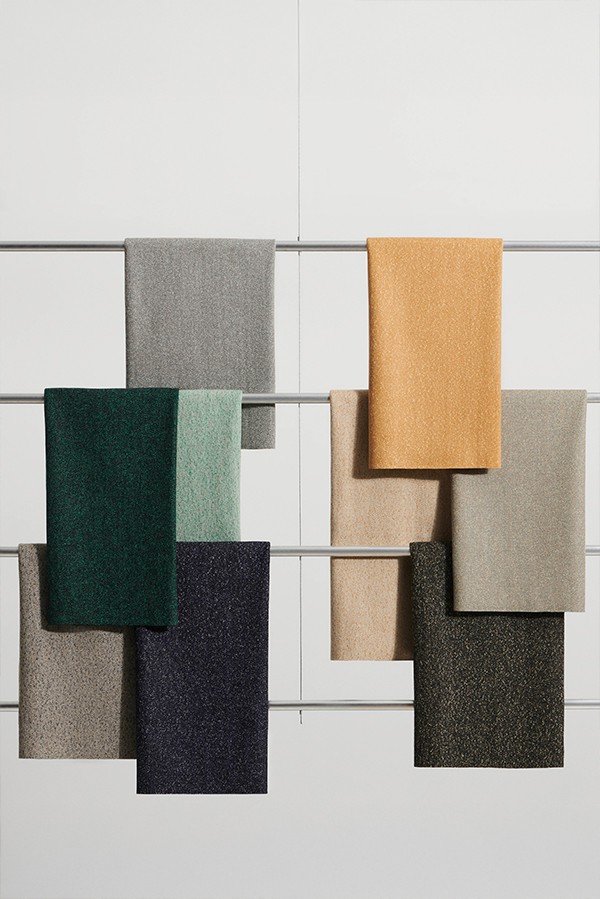
One of the primary considerations when selecting upholstery is its visual and tactile appeal. Whether you prefer the soft, textured feel of bouclé or brushed cotton, the natural warmth of sheepskin, the structured look of a wool blend, or the classic appearance of leather, the choice largely depends on the overall aesthetic you wish to achieve. Synthetic options like polyester may offer a cleaner, more uniform finish with greater longevity.
Colour is another key factor. Most upholstery fabrics are available in a wide variety of shades, with some featuring mixed or blended tones created through specific weaving techniques such as warp and weft combinations. Thanks to advanced dyeing and textile technologies, the range of available colours is extensive, allowing for a high degree of personalisation.
Durability
Upholstery durability plays a key role in determining how long your furniture will maintain its appearance and function. This durability is commonly measured using the Martindale test, a standard method that assesses a fabric’s resistance to wear. The test involves rubbing the fabric in a controlled, repetitive motion against an abrasive surface until visible wear occurs. The number of rubs endured before wear is recorded as the Martindale score.
For domestic use, a Martindale score of 25,000–35,000 is generally recommended. In contrast, furniture intended for commercial or high-traffic environments typically requires fabrics with a score of 50,000 or more.
Some brands exceed these standards significantly — for example, many upholstery fabrics by Kvadrat, a leading brand offered at Nest, regularly achieve scores of 100,000+ Martindales, indicating exceptional durability.
Sustainability
Environmental impact is becoming an increasingly important factor in upholstery selection. As a result, many manufacturers now offer eco-friendly fabrics, including those made from recycled materials or produced through more sustainable processes. For example, Kvadrat’s Re-wool range incorporates recycled wool fibres, combining environmental responsibility with high-quality design.
It's also advisable to consider the sustainability practices of the brand itself. Many upholstery producers provide detailed information on their websites about their efforts to reduce carbon emissions, minimise waste, and source materials responsibly.
When comparing products, look for recognised sustainability certifications. These may include:
- EU Ecolabel, which confirms a product meets high environmental standards throughout its life cycle.
- GREENGUARD Certification, which indicates low chemical emissions and improved indoor air quality.
These certifications can help ensure that your upholstery choice aligns with your broader environmental values.
How to choose the right upholstery
Selecting the right upholstery involves more than just personal taste — practical considerations can significantly influence the performance and longevity of your furniture.
Here are a few key factors to keep in mind:
Climate: Certain materials react differently to environmental conditions. For example, leather may be less suitable in humid climates, where it can be prone to warping or surface damage over time.
Household Environment: Homes with pets or young children may benefit from durable, easy-to-clean fabrics that resist stains, wear, and scratches.
Frequency of Use: If the furniture will be used daily, it’s worth opting for a high-durability fabric with a strong Martindale score to ensure it withstands regular wear.
Look and Feel: Each upholstery type has a distinct texture, finish, and comfort level. Trying samples is a helpful way to understand which material suits your needs best.
By considering these factors and doing some upfront research, you’ll be better equipped to choose upholstery that balances style, function, and longevity.
Most of our products offer fabric samples directly from the product page, allowing you to explore your options at home before committing.
Still unsure? Our team at Nest are experts in all things upholstery and happy to help. Contact us at info@nest.co.uk, calling 0114 243 3000 or messaging us on Live Chat for tailored advice.
The Nest guide to furniture upholstery
From bouclé fabric to semi-aniline leather, the upholstery you choose for your furniture significantly impacts its comfort, durability, and aesthetics. But what are your main options, and how do you select the perfect one for your needs?
The main upholstery options
While you might spend hours agonising on the right shape, style or colour of your furniture, what’s sometimes overlooked in the buying process is the upholstery. Each option has a long list of pros and cons, so it’s well worth doing the research before you buy. Doing so could help you buy a piece of furniture that’s better suited to your needs, lasts longer, and looks better – in your eyes, of course.
Let’s start by running through the most common upholstery options you’re likely to come across.
When it comes to choosing the upholstery for your furniture, you’ll generally have a choice of three options: fabric, sheepskin or leather.
Fabric
Fabric upholstery tends to be a mix of various different materials, which you could loosely group into naturals and synthetics.
Wool in upholstery
Wool is a widely used natural material in furniture upholstery due to its exceptional durability and ability to maintain its appearance over time. While not entirely stain-resistant, wool does offer a natural resistance to staining. This is largely attributed to the presence of lanolin—a waxy substance produced by sheep—which helps repel liquids and dirt. In addition to its stain-repelling properties, wool is also breathable, making it a comfortable choice for upholstery. However, wool fabrics can sometimes feel coarse or scratchy, especially when in direct contact with bare skin. To improve comfort and texture, manufacturers often blend wool with other fibres such as cotton, linen, polyester, or viscose.
Comparing upholstery fabrics
Cotton and linen are natural fibres known for their softness, breathability. However, they tend to be less stain-resistant than wool and may wrinkle or fade with prolonged use or exposure to sunlight.
Viscose, a semi-synthetic fibre derived from natural sources like wood pulp, offers a smooth, silky texture. While visually appealing and comfortable, it is generally less durable than synthetic alternatives like polyester.
Polyester, on the other hand, is a cost-effective and hardwearing option, though it may be more prone to staining and less breathable. Each upholstery fabric has its own set of advantages and limitations. For this reason, manufacturers often blend different fibres to balance comfort, durability, appearance, and cost.
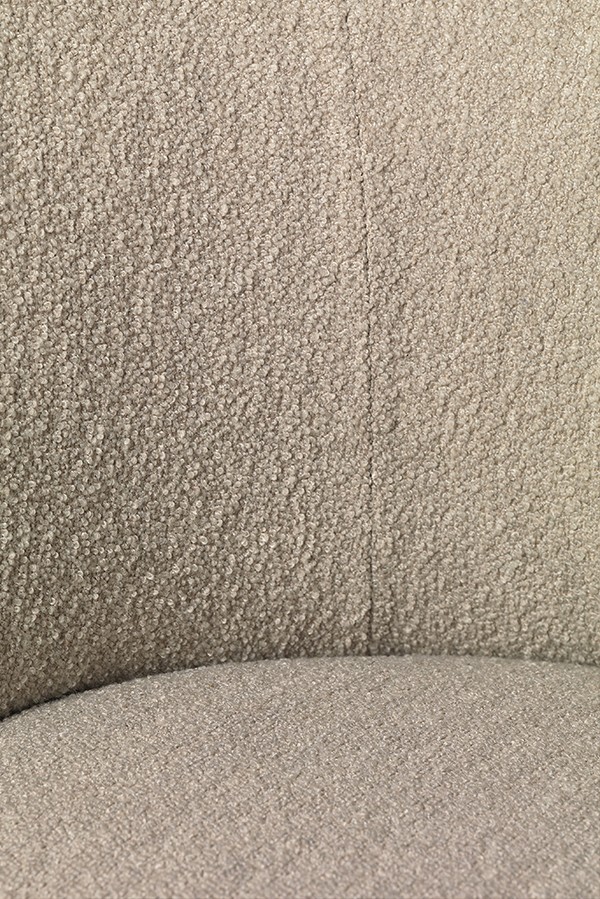
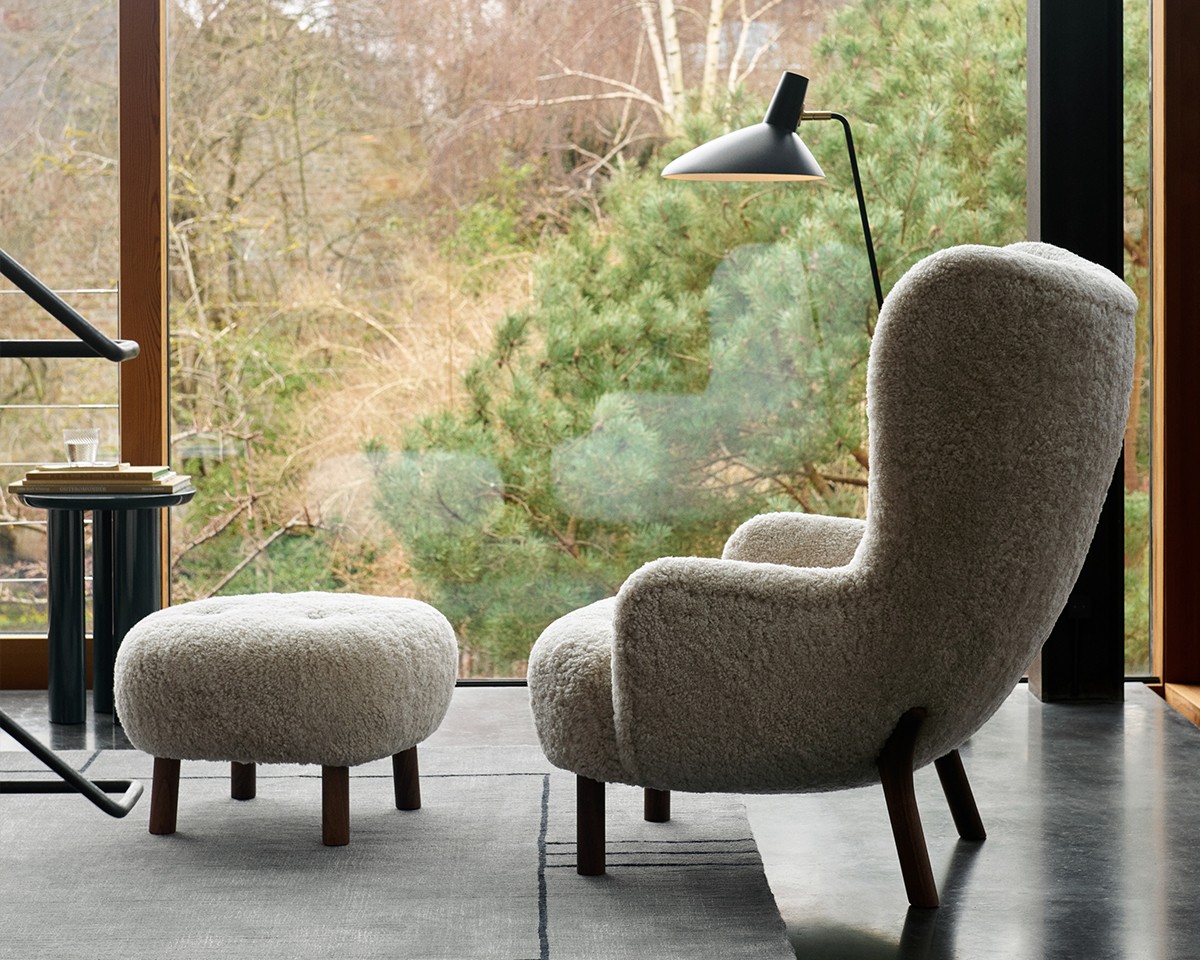
One popular fabric choice is bouclé, recognised for its looped, textured appearance. Bouclé combines aesthetic appeal with practical durability, often likened to the aesthetics of sheepskin. While it has a reputation as a premium material, it is now available across a broad range of price points, making it accessible for various budgets across many of our brands.
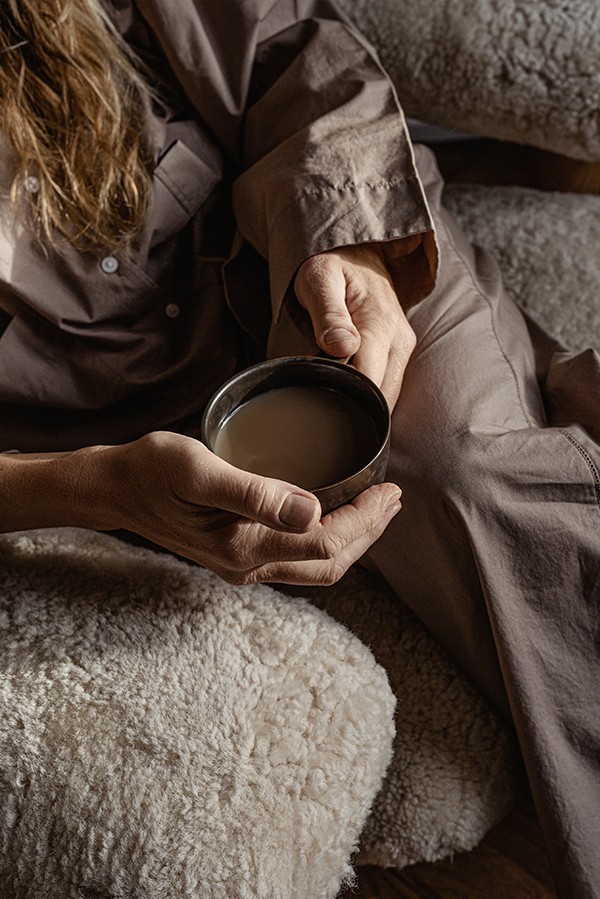
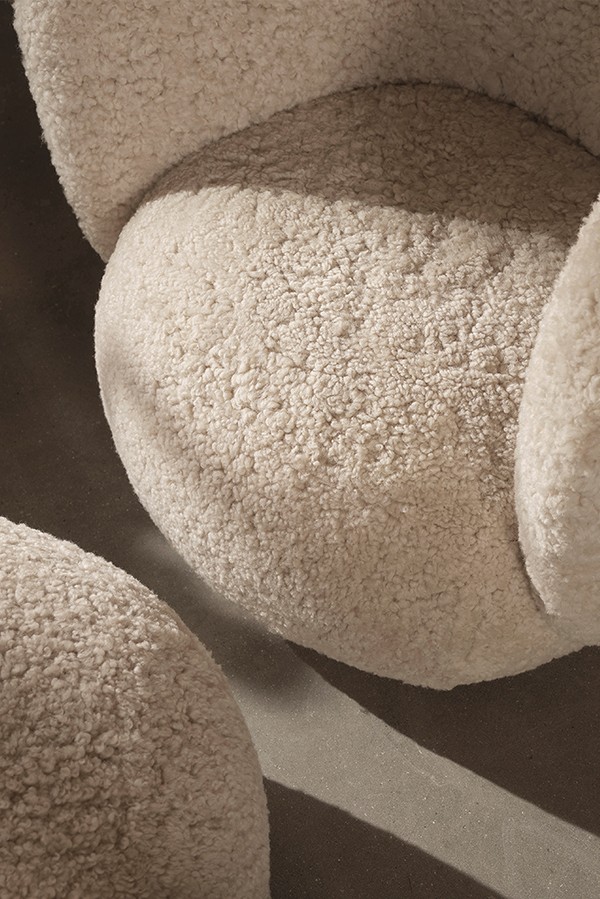
Sheepskin - Sheepskin offers a uniquely soft, thick, and plush texture, setting it apart from standard fabric upholstery. As a 100% natural material, each piece is completely individual, with variations in texture, density, and tone occurring from fleece to fleece. Colour changes can also develop over time, especially when exposed to direct sunlight or heat sources. This natural patina is part of its charm, but it’s something to be mindful of in bright or high-temperature environments. While luxurious, sheepskin is generally less durable than most fabrics and is not recommended for high-traffic or commercial settings. It also typically comes at a higher price point.
Sheepskin types are often defined by their origin. Icelandic sheepskin is known for its warmth and resilience, New Zealand sheepskin is exceptionally soft, and other varieties like Merino, Toscana, and Tibetan offer different wool lengths, textures, and finishes. Regular maintenance is essential to preserve its appearance — this includes gentle brushing to prevent matting and the occasional shake to remove dust. Spot cleaning should be done with care using a damp cloth, and professional cleaning is recommended for more stubborn stains.
Leather
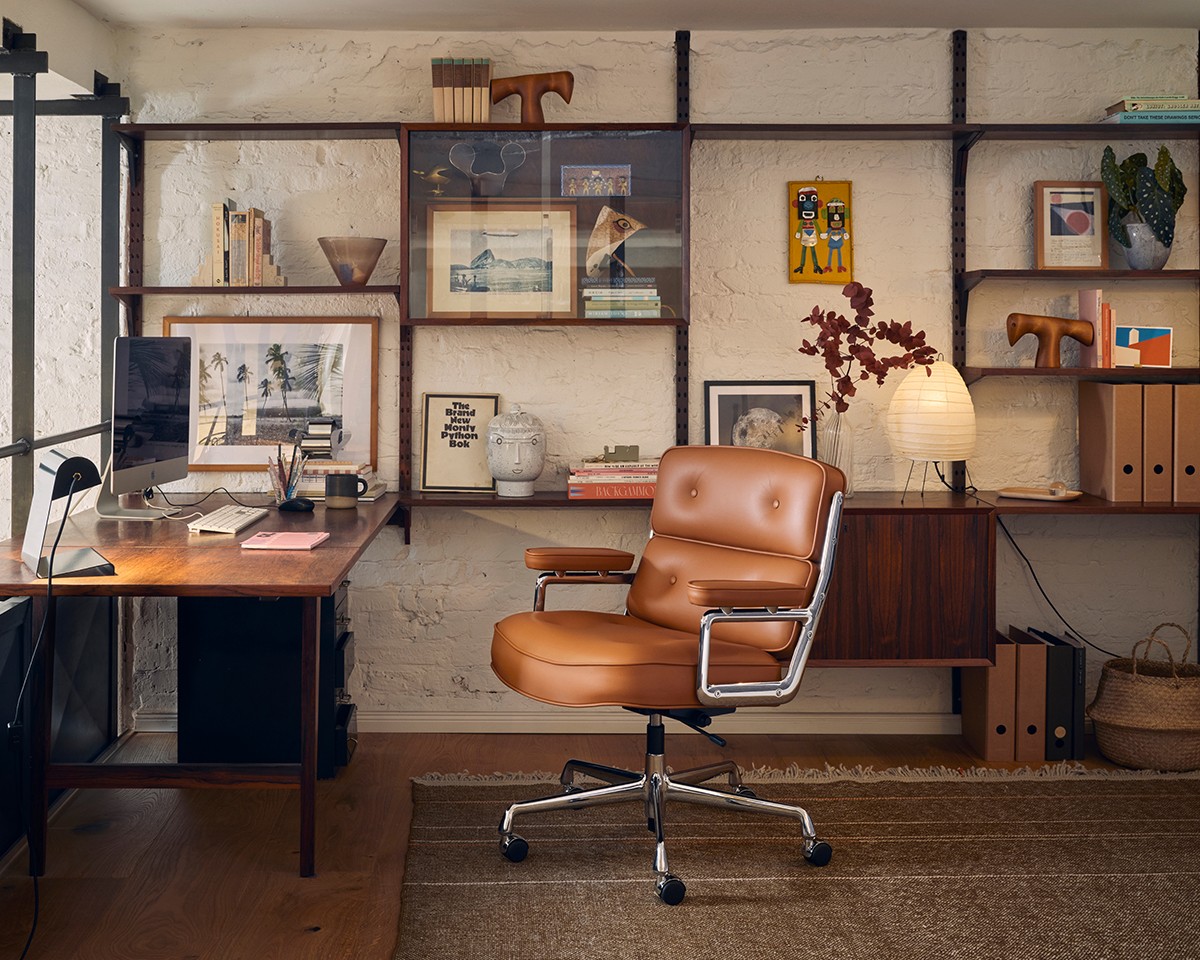
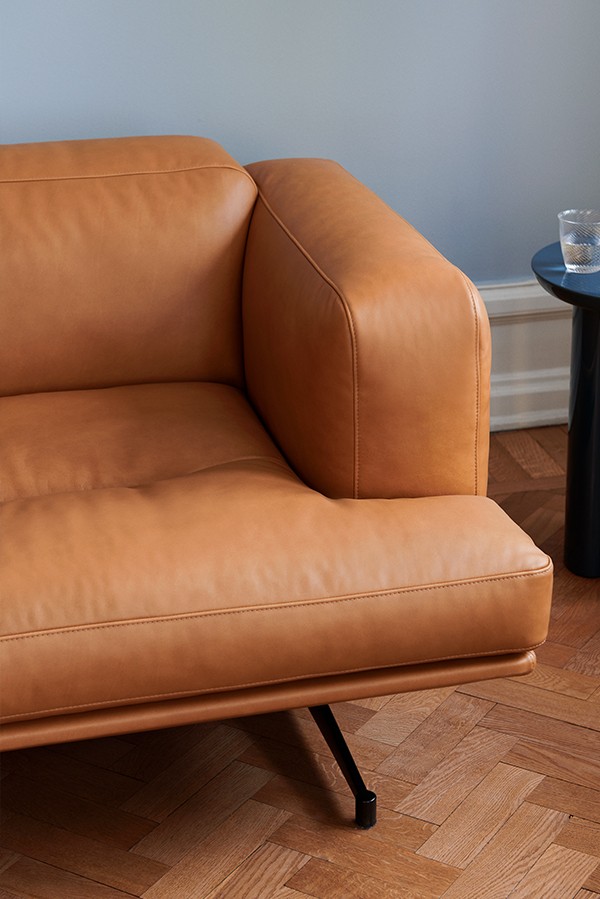
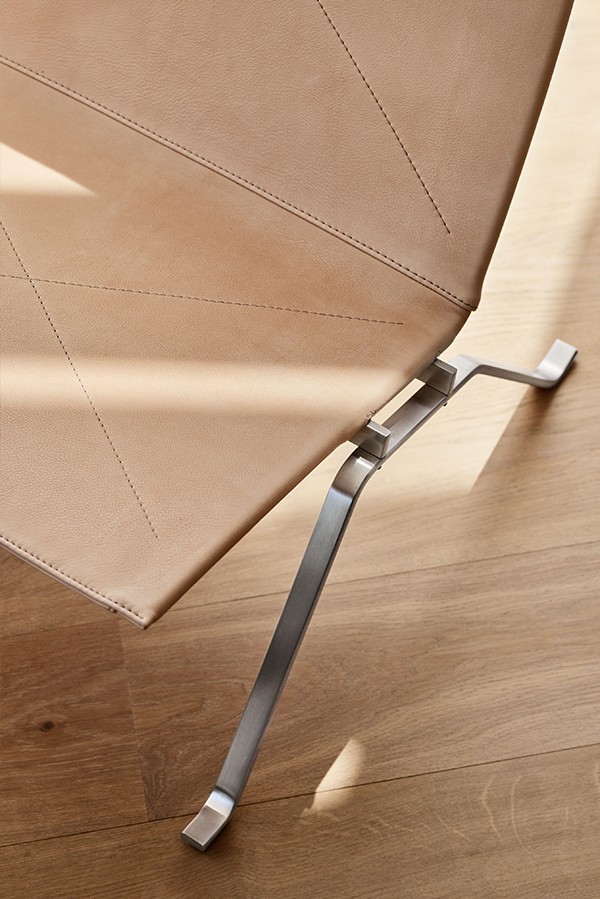
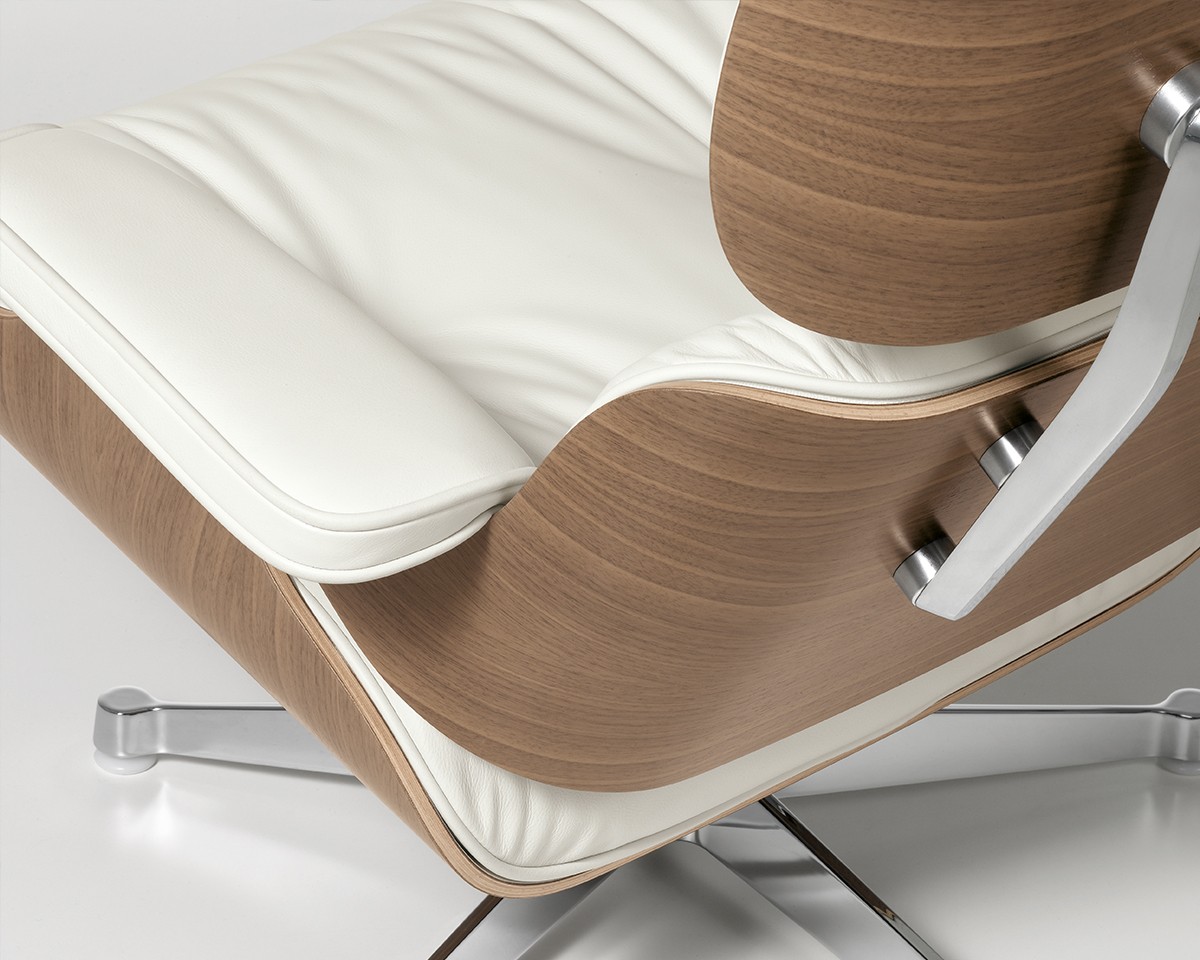
Leather upholstery is generally easier to categorise than fabric or sheepskin, as it comes in a more limited range of types. The three primary categories are full aniline, semi-aniline, and corrected (or pigmented) leather, which are distinguished by the extent of processing and treatment the leather undergoes.
- Full aniline leather is the most natural option. It is dyed through but not coated, allowing the original surface markings and natural variations of the hide to remain visible.
- Semi-aniline leather is lightly treated with a thin protective coating, offering slightly improved durability while still retaining much of its natural appearance.
• Corrected or pigmented leather undergoes the most processing. The surface is buffed to remove imperfections and then coated with pigments or protective finishes to create a more uniform look and enhance resistance to wear. While added treatments can improve durability and stain resistance, they can also reduce the natural softness and visual character found in less-processed leathers like full aniline.
Key considerations when buying
When it comes to deciding between upholstery, your choice normally comes down to three different factors.
Aesthetics and colour
One of the primary considerations when selecting upholstery is its visual and tactile appeal. Whether you prefer the soft, textured feel of bouclé or brushed cotton, the natural warmth of sheepskin, the structured look of a wool blend, or the classic appearance of leather, the choice largely depends on the overall aesthetic you wish to achieve. Synthetic options like polyester may offer a cleaner, more uniform finish with greater longevity.
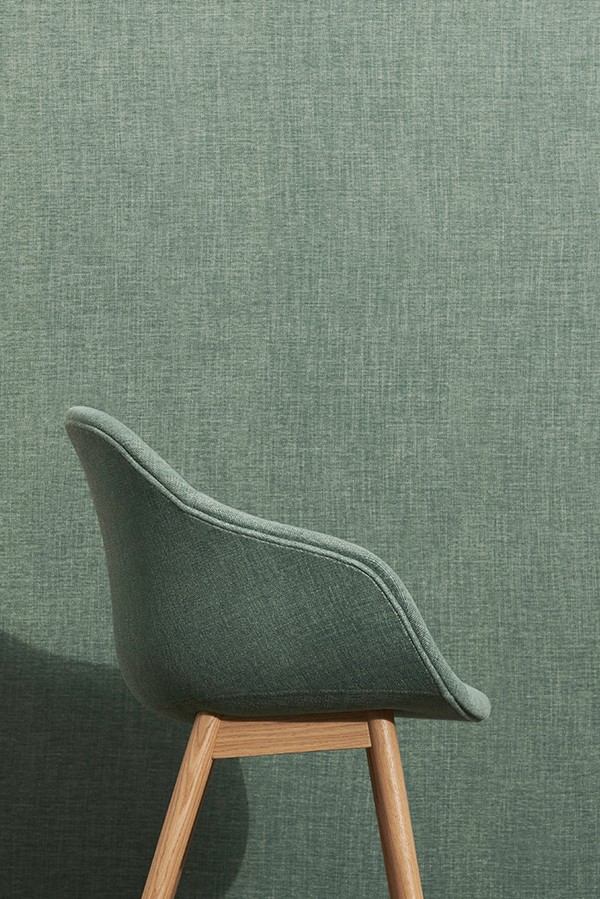
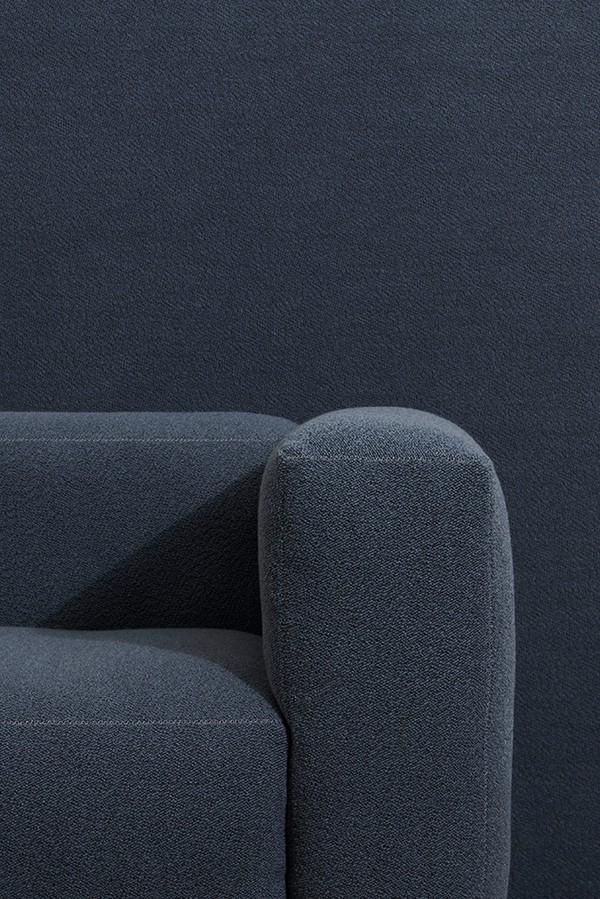
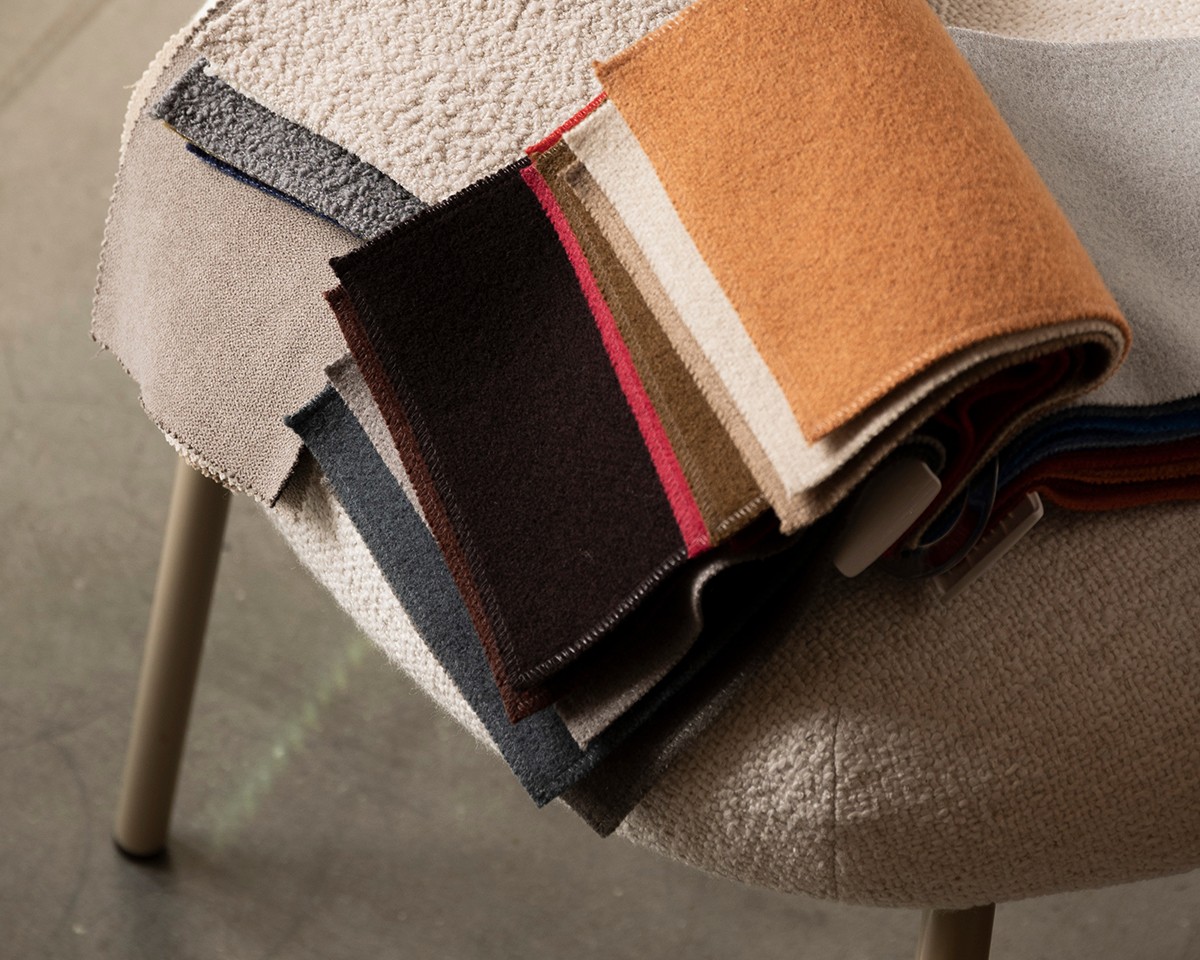
Colour is another key factor. Most upholstery fabrics are available in a wide variety of shades, with some featuring mixed or blended tones created through specific weaving techniques such as warp and weft combinations. Thanks to advanced dyeing and textile technologies, the range of available colours is extensive, allowing for a high degree of personalisation.
Durability
Upholstery durability plays a key role in determining how long your furniture will maintain its appearance and function. This durability is commonly measured using the Martindale test, a standard method that assesses a fabric’s resistance to wear. The test involves rubbing the fabric in a controlled, repetitive motion against an abrasive surface until visible wear occurs. The number of rubs endured before wear is recorded as the Martindale score.
For domestic use, a Martindale score of 25,000–35,000 is generally recommended. In contrast, furniture intended for commercial or high-traffic environments typically requires fabrics with a score of 50,000 or more.
Some brands exceed these standards significantly — for example, many upholstery fabrics by Kvadrat, a leading brand offered at Nest, regularly achieve scores of 100,000+ Martindales, indicating exceptional durability.
Sustainability
Environmental impact is becoming an increasingly important factor in upholstery selection. As a result, many manufacturers now offer eco-friendly fabrics, including those made from recycled materials or produced through more sustainable processes. For example, Kvadrat’s Re-wool range incorporates recycled wool fibres, combining environmental responsibility with high-quality design.
It's also advisable to consider the sustainability practices of the brand itself. Many upholstery producers provide detailed information on their websites about their efforts to reduce carbon emissions, minimise waste, and source materials responsibly.
When comparing products, look for recognised sustainability certifications. These may include:
- EU Ecolabel, which confirms a product meets high environmental standards throughout its life cycle.
- GREENGUARD Certification, which indicates low chemical emissions and improved indoor air quality.
These certifications can help ensure that your upholstery choice aligns with your broader environmental values.
How to choose the right upholstery
Selecting the right upholstery involves more than just personal taste — practical considerations can significantly influence the performance and longevity of your furniture.
Here are a few key factors to keep in mind:
Climate: Certain materials react differently to environmental conditions. For example, leather may be less suitable in humid climates, where it can be prone to warping or surface damage over time.
Household Environment: Homes with pets or young children may benefit from durable, easy-to-clean fabrics that resist stains, wear, and scratches.
Frequency of Use: If the furniture will be used daily, it’s worth opting for a high-durability fabric with a strong Martindale score to ensure it withstands regular wear.
Look and Feel: Each upholstery type has a distinct texture, finish, and comfort level. Trying samples is a helpful way to understand which material suits your needs best.
By considering these factors and doing some upfront research, you’ll be better equipped to choose upholstery that balances style, function, and longevity.
Most of our products offer fabric samples directly from the product page, allowing you to explore your options at home before committing.
Still unsure? Our team at Nest are experts in all things upholstery and happy to help. Contact us at info@nest.co.uk, calling 0114 243 3000 or messaging us on Live Chat for tailored advice.


